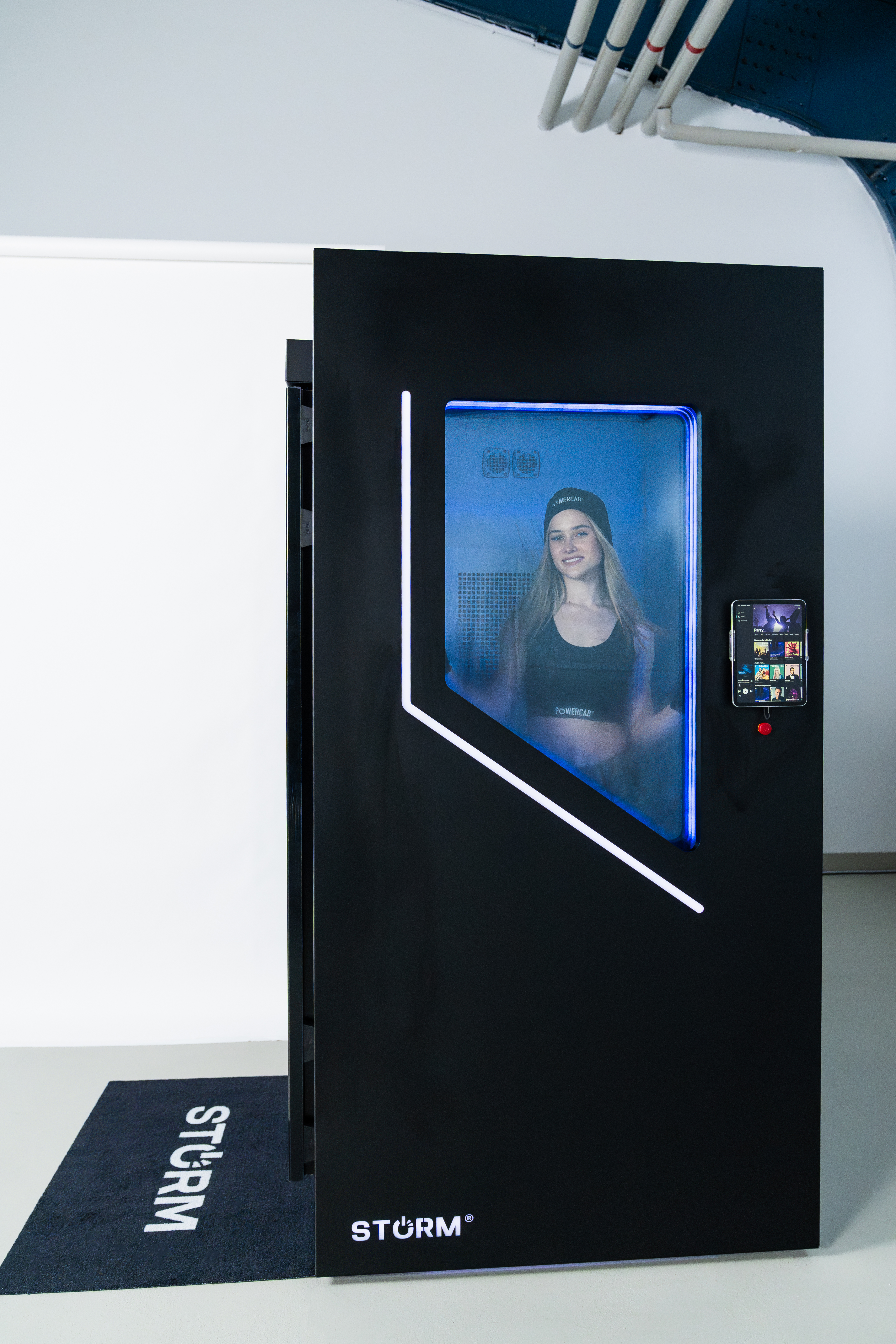
Whole-body cryotherapy has moved from the fringes of elite sport into the mainstream of premium wellness, recovery and longevity. For hotels and luxury spas, longevity clinics, recovery centres and performance facilities, it represents both a distinctive client experience and a meaningful commercial opportunity — but the technology choices behind it matter as much as the decision to offer it at all.
This article is written for operators evaluating whole-body cryotherapy as a commercial addition to their facility. It covers why the category is growing, the shift from nitrogen-based systems to fully electric chambers, what the client experience involves, and the commercial considerations that determine whether cryotherapy becomes a valuable revenue stream or an underutilised investment.
Why Whole-Body Cryotherapy Is Becoming Relevant
The appeal of whole-body cold exposure sits at the intersection of several growing trends: the rise of recovery as a distinct service category, the expansion of longevity-focused wellness, and the increasing willingness of consumers to pay for short, technologically advanced treatments that feel both premium and purposeful.
For hotels and luxury spas, cryotherapy offers a differentiator that goes beyond traditional massage and thermal facilities. For longevity clinics, it provides a modality that aligns with a broader protocol of controlled physiological stress and recovery. For gyms and recovery centres, it creates a premium service tier that can sit alongside existing membership offerings. And for sports and performance facilities, it supports athlete recovery programmes with a treatment that has become increasingly standard at the elite level.
The key question for operators is not whether demand exists — it clearly does — but how to introduce cryotherapy in a way that is operationally sustainable, commercially viable, and consistent with the positioning of the wider facility.
The Shift from Nitrogen to Electric
Traditional cryotherapy has relied on liquid nitrogen to cool the treatment chamber. Nitrogen-based cryosaunas have been the industry standard for years, but they come with operational characteristics that many commercial operators find increasingly difficult to justify.
Nitrogen requires ongoing consumable supply. It must be delivered, stored safely, and handled by trained staff. The cost of nitrogen increases with utilisation — the more sessions you run, the more nitrogen you consume. Ventilation requirements and safety considerations around nitrogen gas add further complexity to the operating environment.
Fully electric cryotherapy chambers represent a different approach. Instead of relying on a consumable gas, they use electric cooling technology to achieve and maintain treatment temperatures. This eliminates the need for nitrogen deliveries, storage, and the associated consumable costs. It also simplifies the operational logistics — there is no gas to reorder, no delivery schedule to manage, and no consumable cost that scales with every session.
For operators thinking about throughput, repeat sessions and long-term operating costs, the shift from nitrogen to electric is not merely a technical preference. It changes the operational model.
The Client Experience
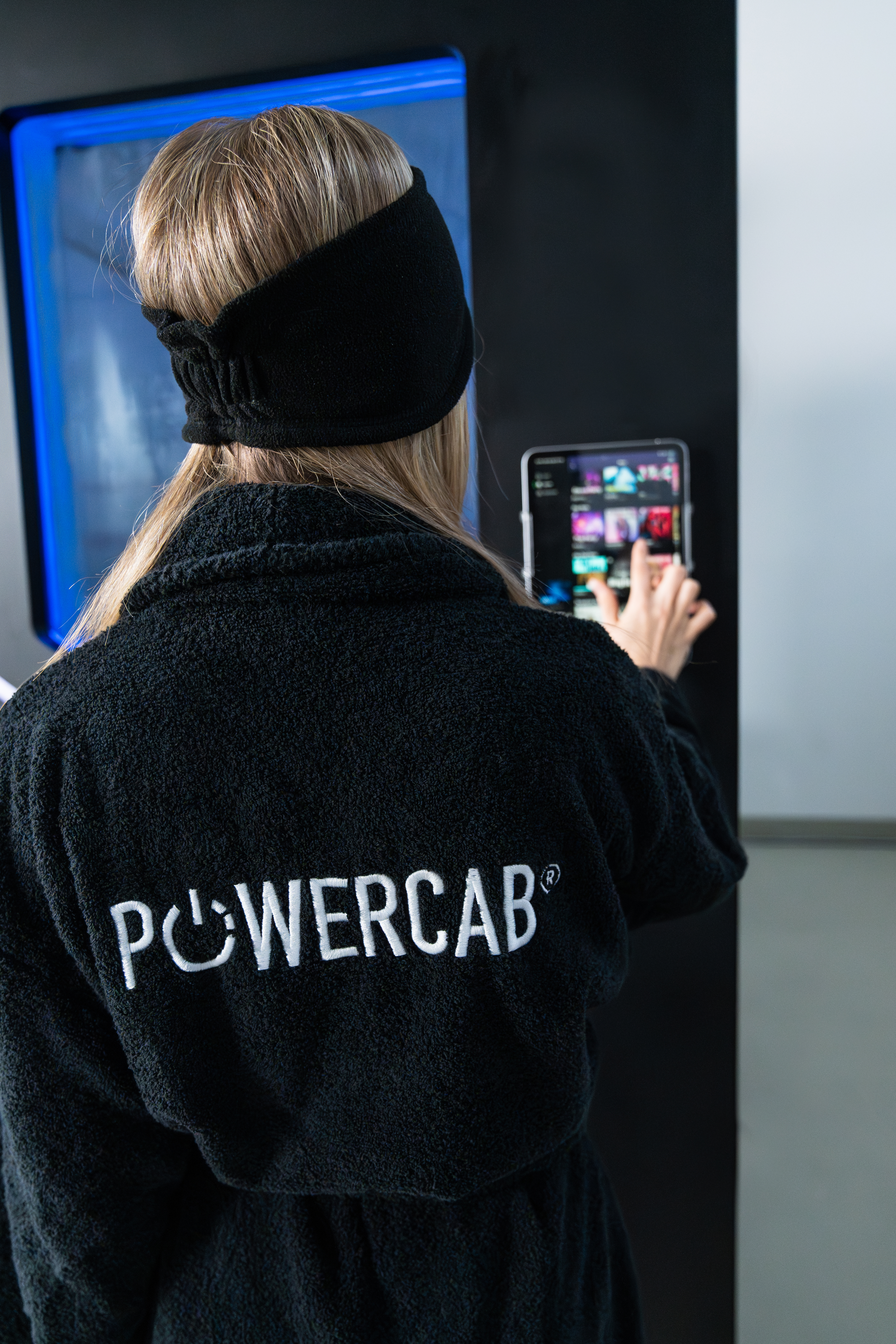
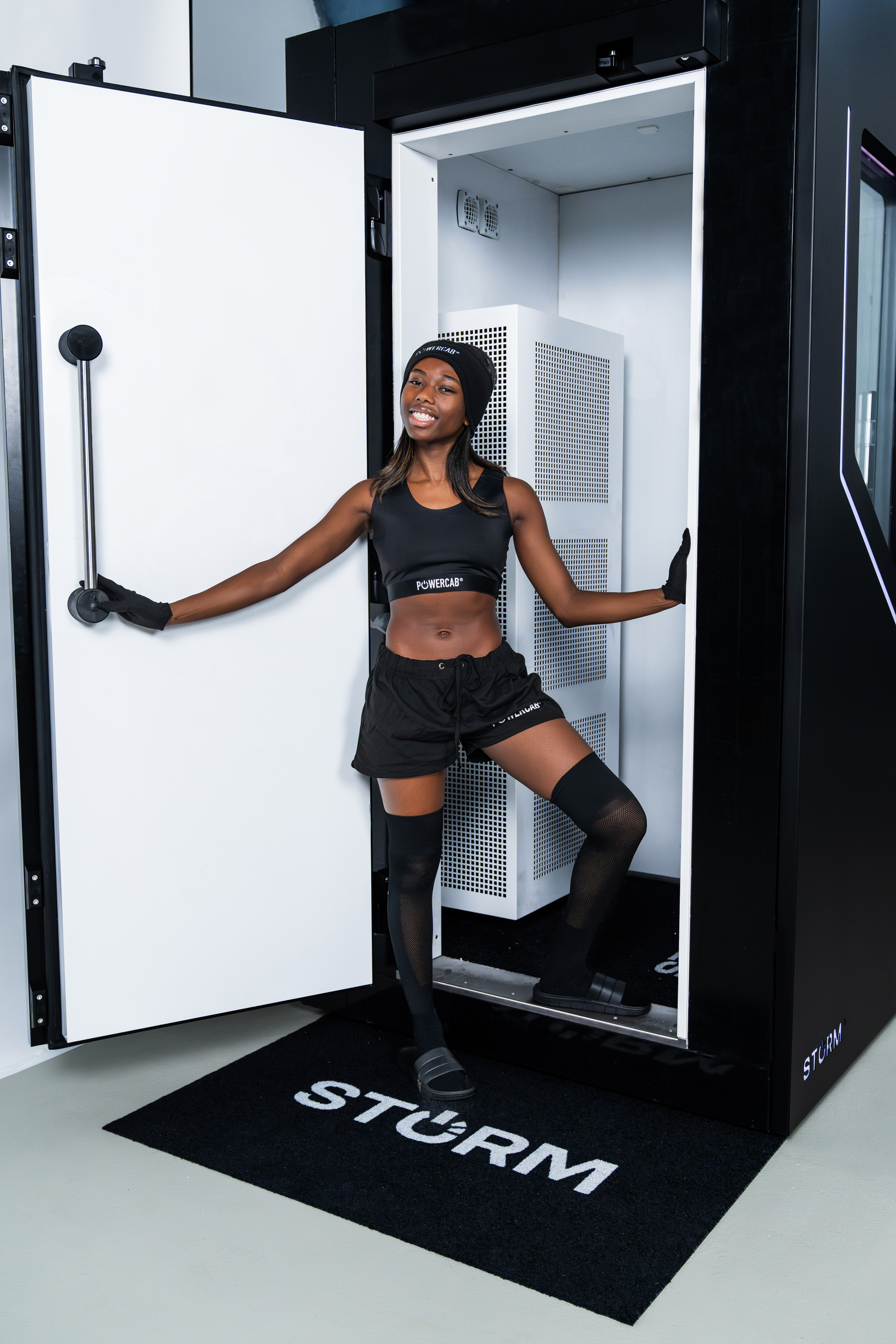
A whole-body cryotherapy session is short — typically around three minutes. The client enters the chamber in lightweight clothing, and the temperature is lowered to the treatment level. The brevity of the session is part of the appeal: it is a concentrated, intense experience that fits easily into a broader wellness visit or recovery routine.
From the client's perspective, the experience should feel premium, controlled and safe. The chamber environment, the guidance of the operator, and the quality of the surrounding space all contribute to how the treatment is perceived. A cryotherapy session that takes place in a well-designed, professionally operated environment feels like a premium service. One that feels improvised or clinical does not.
This matters because cryotherapy is rarely a one-time treatment. Its value — whether for recovery, wellness or general wellbeing — is generally associated with regular use. Operators who create a positive first experience are more likely to convert that first session into a package, a membership add-on, or a recurring booking.
Commercial Considerations for Operators
Introducing whole-body cryotherapy is a commercial decision, not just a technical one. The following factors determine whether the investment delivers value.
Throughput
Throughput — the number of sessions an operator can realistically deliver per day — is the primary driver of revenue. A single cryotherapy session takes approximately three minutes, but the full cycle including client preparation, the session itself, and recovery time between sessions means the effective per-client time is longer.
Operators should model throughput based on realistic daily capacity, not peak theoretical session counts. A chamber that can technically deliver forty or more sessions per day may, in practice, deliver fifteen to twenty-five in a typical commercial environment, depending on staffing, scheduling, and client flow.
Repeat Sessions and Membership Integration
Cryotherapy works best as a recurring service. Single sessions have limited value; the commercial case strengthens when clients commit to packages or memberships. Operators should consider how cryotherapy integrates with existing membership structures — as a standalone package, an add-on to an existing membership, or part of a bundled recovery or wellness programme.
The pricing model matters. Per-session pricing creates a barrier to repeat use. Package pricing — for example, five or ten sessions — or membership inclusion encourages regular use and increases the lifetime value of each client.
Operating Environment
Electric cryotherapy chambers require a controlled indoor environment. Room temperature, humidity, and air quality all affect the performance and longevity of the equipment. Most manufacturers recommend maintaining room temperature below approximately 23°C and managing humidity appropriately.
This means the location of the chamber within the facility matters. It should be placed in a space where environmental conditions can be maintained consistently, not in a corridor or an uncontrolled area. Air conditioning and dehumidification may be required depending on the facility.
Staffing and Operation
Electric cryotherapy chambers are designed to be operated by trained staff, not specialist technicians. The operation does not require the handling of cryogenic liquids or the safety protocols associated with nitrogen storage. However, staff training is still essential — for client safety, treatment protocol, and equipment operation.
The staffing model should reflect the expected throughput. A single trained operator can manage sessions, but the operator must be present during all treatments. This means staffing costs should be factored into the commercial model, particularly for facilities offering cryotherapy throughout the day rather than by appointment.
Positioning Within a Wider Offering
Cryotherapy rarely exists in isolation. In a hotel spa, it sits alongside massage, thermal facilities and skincare. In a longevity clinic, it is part of a multi-modality protocol. In a recovery centre, it complements other recovery technologies. In a gym, it is a premium service tier above standard membership.
The positioning of cryotherapy within the wider offering determines its pricing, its target client, and its contribution to the overall business. Operators should think beyond the standalone session price and consider how cryotherapy enhances the perceived value of the broader facility.
Energy Consumption: What Operators Should Know
Energy consumption is one of the most frequently asked questions from operators considering electric cryotherapy. The figures below represent current published consumption data supplied to B WELL SYSTEMS by MEDNER for POWERCAB models.
These figures represent average energy consumption during operation. Actual electricity costs will depend on the model, the operating schedule, the ambient room conditions, and the local electricity tariff. Because electricity tariffs vary significantly by location, contract and time of use, B WELL SYSTEMS does not publish estimated electricity costs.
A future POWERCAB commercial calculator will allow operators to input their own electricity rate and model the operating cost against their expected session volume.
POWERCAB: A Fully Electric Whole-Body Cryotherapy Solution
POWERCAB is a range of fully electric whole-body cryotherapy chambers developed and manufactured by MEDNER in Germany. Unlike nitrogen-based cryosaunas, POWERCAB uses 100% electric cooling technology — no liquid nitrogen supply, no nitrogen deliveries, no nitrogen consumable cost.
The POWERCAB range includes multiple models designed for different commercial requirements:
- 01POWERCAB ONE — An entry-level model suitable for smaller facilities or those introducing cryotherapy for the first time.
- 02POWERCAB LIGHT — A balanced model for moderate utilisation environments.
- 03POWERCAB STORM — A higher-performance model for facilities with greater throughput requirements.
- 04POWERCAB PRO — The highest-performance model, designed for demanding professional and high-throughput environments.
Each model operates at different temperature ranges and cool-down times, allowing operators to match the chamber to their expected utilisation, facility type and commercial objectives. B WELL SYSTEMS works with operators to assess these factors and recommend the appropriate configuration — rather than applying a single model to every situation.
For more detail on the POWERCAB range, including model specifications, installation requirements and commercial applications, visit the POWERCAB page or contact B WELL SYSTEMS to discuss your facility.