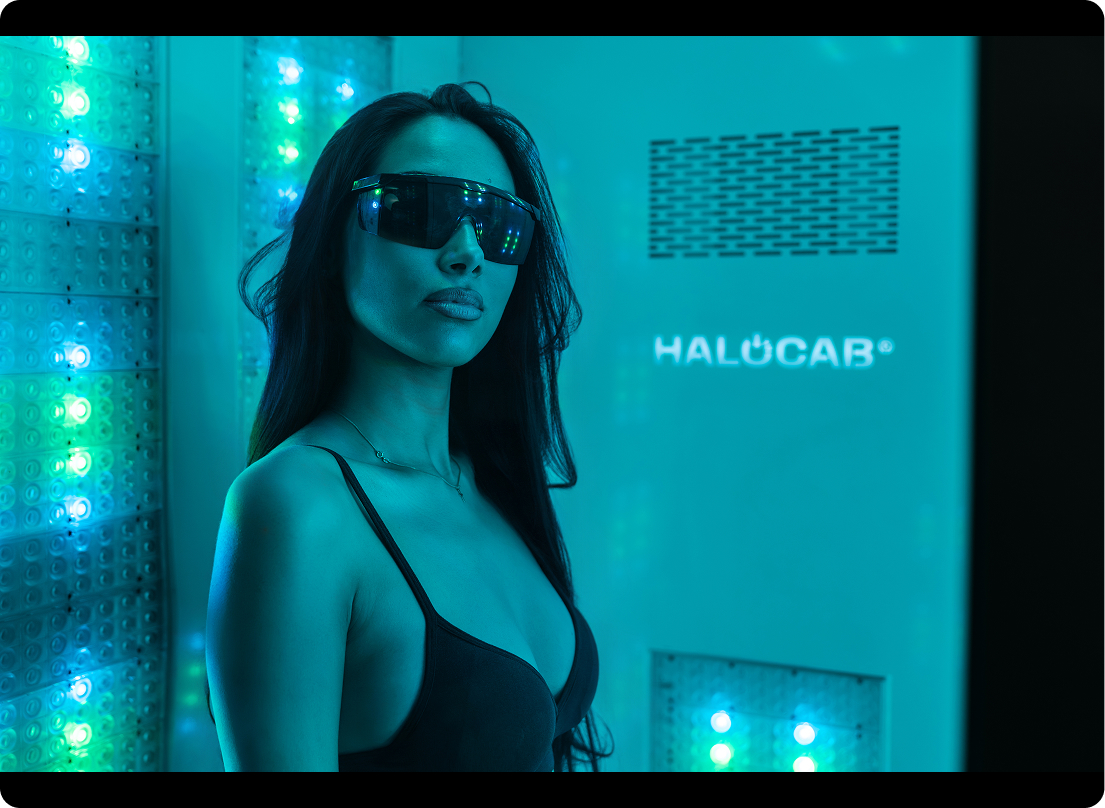
Wellness is increasingly moving beyond individual services towards environments designed around how people experience a space. Light, temperature, sound, scent and materiality are no longer incidental details — they are part of the design language of modern wellness, shaping how clients feel before, during and after a visit.
Into this context, salt — one of the oldest natural elements associated with wellness — is being reinterpreted through contemporary technology. Its historical association with coastal environments, mineral baths and underground salt caves is well known. What is changing is not the association itself, but how it is being expressed: through controlled, engineered systems designed for commercial wellness environments.
What Is a Dry Salt Aerosol Environment?
A dry salt aerosol environment uses a halogenerator to process appropriate salt into fine, micronised particles and disperse them as a controlled dry aerosol into an enclosed space. The halogenerator manages the grind and dispersion of the salt, allowing the environment to be maintained consistently rather than left to ambient conditions.
It is important to distinguish this from decorative salt features. Himalayan salt walls, salt bricks and salt lamps contribute to atmosphere and interior design — they can enhance the visual and tactile character of a space. They do not, however, actively generate or distribute salt aerosol.
A decorative salt feature is a design element. An active dry salt aerosol system is a technology. The two are not the same thing, and the difference matters for operators evaluating what they are actually investing in.
Dry salt aerosol experiences are commonly associated with the term halotherapy in the wellness industry. This article focuses on the technology and the environment rather than therapeutic claims.
Why Salt Is Returning to Modern Wellness Spaces
The broader shift in commercial wellness is towards immersive, experience-led environments. Operators increasingly think about the complete experience — how a client moves through a space, what they see, hear, feel and sense — rather than simply adding isolated pieces of equipment.
Passive experiences, where the client receives rather than performs, are becoming more prominent. Recovery-focused environments, longevity concepts and experience-led hospitality all point in the same direction: clients are looking for spaces that feel considered, atmospheric and intentional.
Salt fits naturally within this shift. Its historical association with wellness and natural environments gives it a familiar, almost instinctive appeal. Modern technology allows that association to be expressed through a controlled, repeatable system rather than a purely decorative feature.
The Client Experience
From the client's perspective, a dry salt aerosol environment is straightforward. They enter the space, settle in, and relax while the system operates. There is nothing to operate, no protocol to follow, no active effort required. The experience is passive by design.
What shapes the experience is not the technology itself but the environment around it — lighting, sound, warmth, materials, atmosphere, privacy and comfort. A well-designed space can make the same system feel entirely different from a poorly considered one.
Good wellness technology should not necessarily dominate the experience. It can operate quietly behind the environment, allowing the space, the atmosphere and the sensory design to define how the client feels.
From a Single Modality to a Multi-Sensory Environment
Modern wellness systems increasingly allow operators to bring several experiential elements together rather than dedicating a separate room to every modality. This is a significant shift in how wellness spaces can be planned.
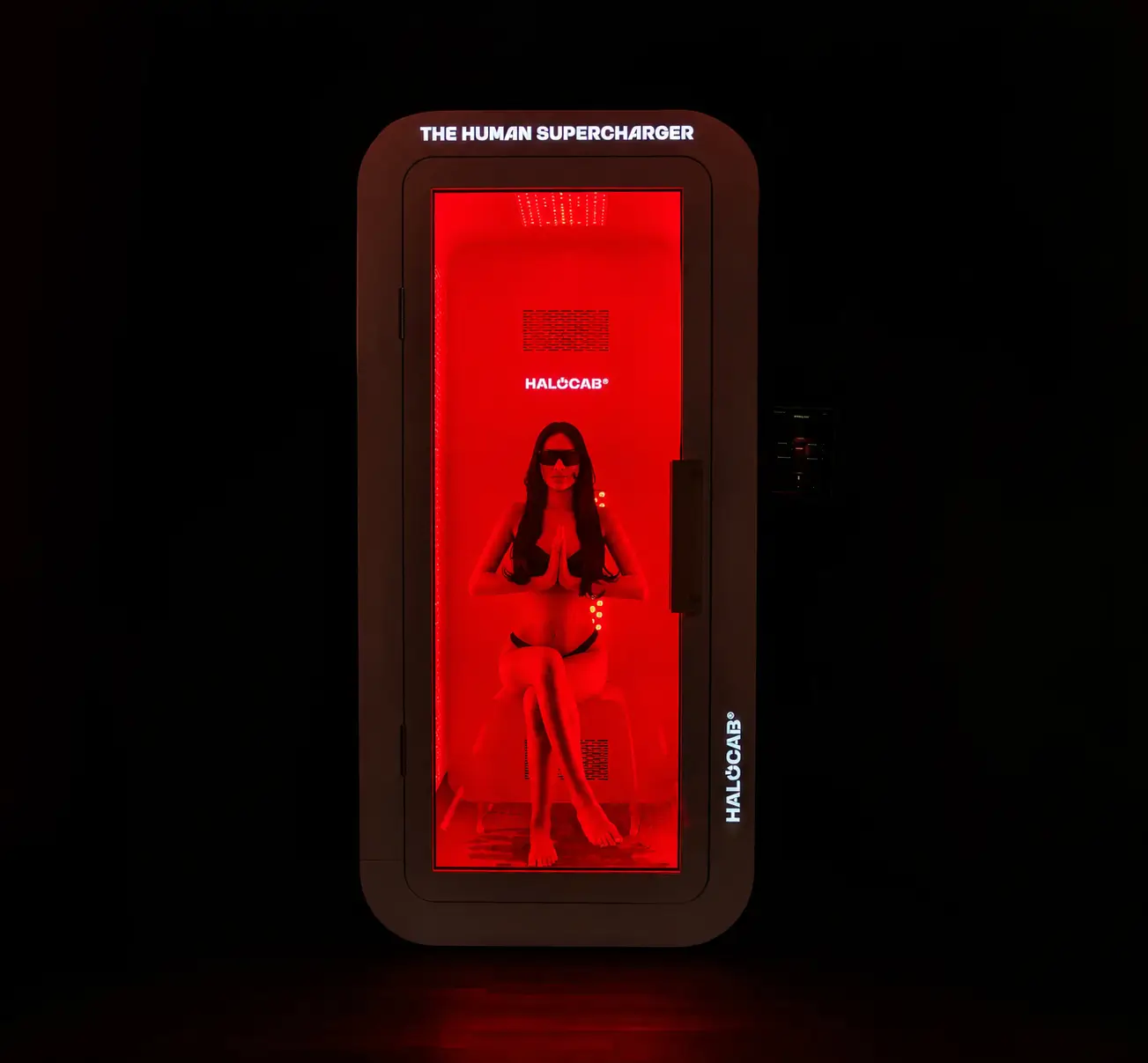
HALOCAB is one example of this approach. Developed by MEDNER, HALOCAB is a multi-sensory wellness system that combines five complementary modalities within one compact environment: dry salt aerosol, light, ionized oxygen, frequencies and aroma. Each modality can be experienced individually or as part of an integrated session.
The commercial concept is straightforward: one environment can potentially support different wellness experiences without requiring a separate dedicated room for every modality. For operators with limited footprint or those looking to maximise the value of each square metre, this integrated approach changes how a wellness space can be planned.
Designing the Environment Around the Experience
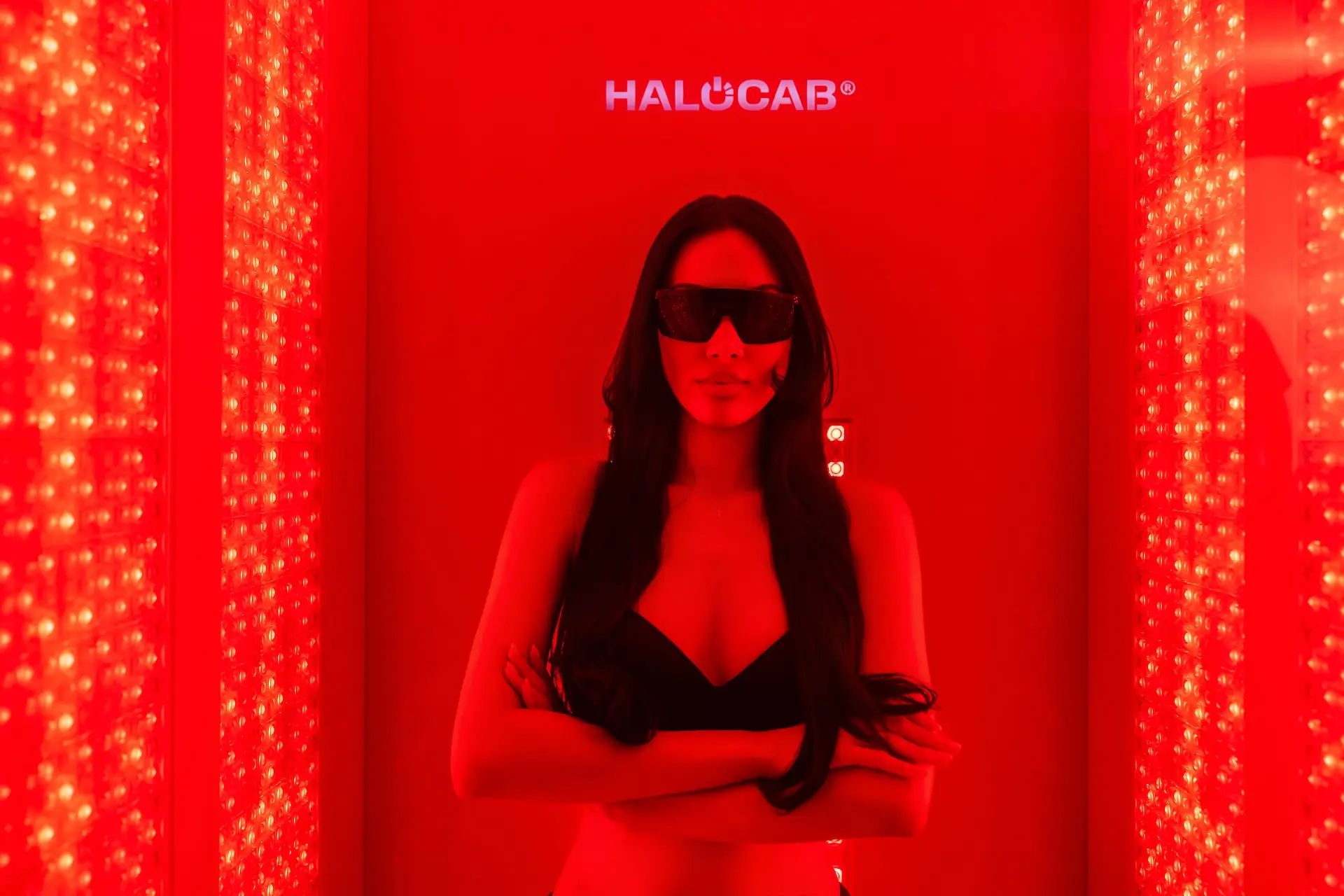
Introducing a dry salt aerosol environment involves more than selecting the equipment. The location within the facility, the lighting, the materials, the acoustic environment, the privacy, the client flow, the transition into and out of the experience, and the relationship with other wellness facilities all contribute to how the experience is perceived.
A salt environment placed in a corridor or an uncontrolled space will feel very different from one placed in a considered, well-designed room. The same technology can feel premium or incidental depending entirely on the space around it.
This is where B WELL SYSTEMS' wider design and integration expertise becomes relevant — supporting operators in planning the space around the experience, not just the equipment within it.
Where Can Dry Salt Aerosol Fit?
Dry salt aerosol can be considered across a range of commercial wellness environments:
- 01Luxury Hotels & Spas — as part of a distinctive wellness journey alongside thermal facilities, treatment rooms and relaxation spaces.
- 02Longevity & Wellness Facilities — within a broader multi-sensory wellness programme that combines several modalities.
- 03Premium Health Clubs — as a passive wellness experience alongside existing fitness and recovery facilities.
- 04Recovery & Performance Environments — as an additional passive experience within a recovery-focused space.
- 05Dedicated Wellness Concepts — as a core element of a purpose-designed salt or wellness environment.
The Commercial Question: Experience, Space & Utilisation
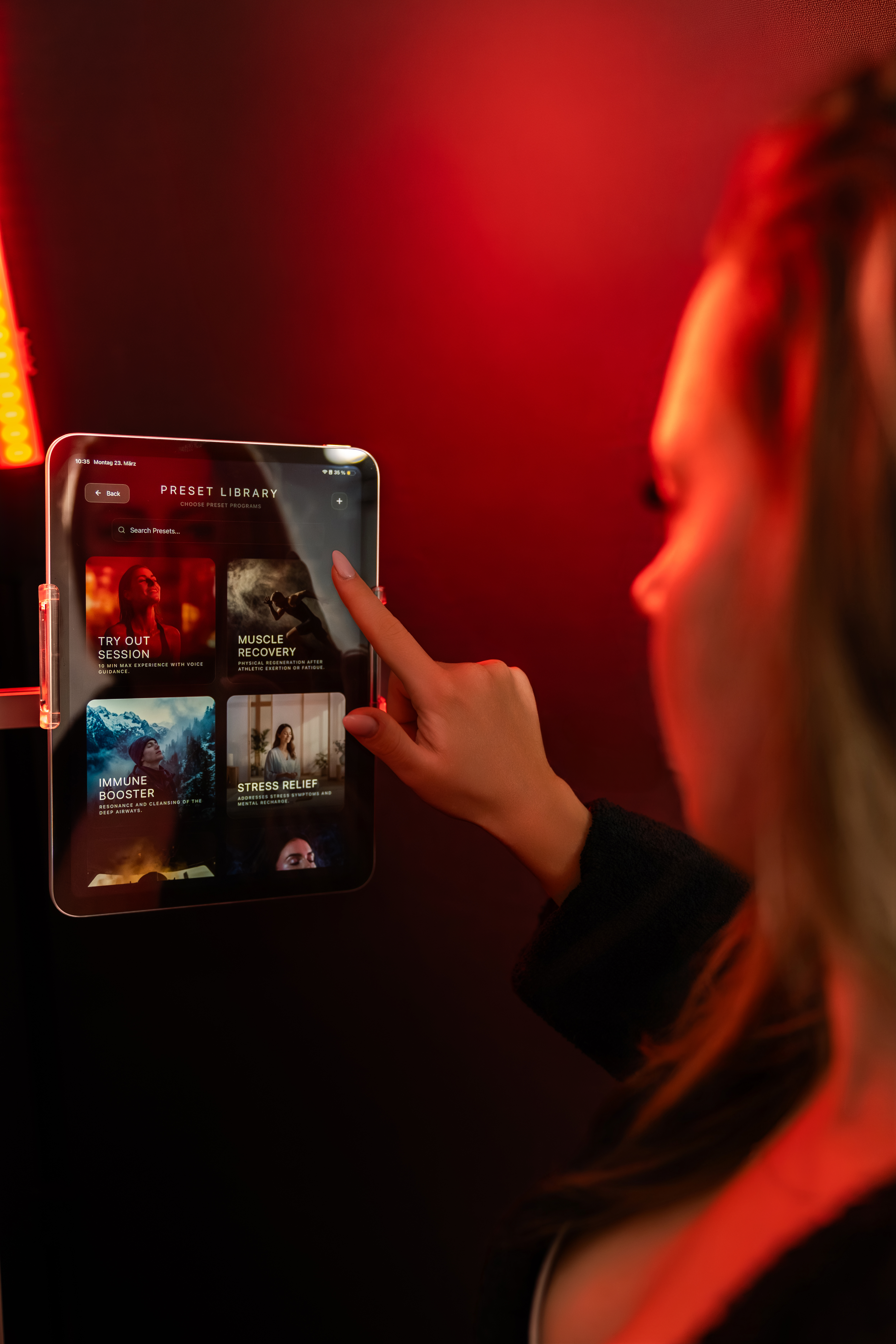
Adding wellness technology should involve more than selecting equipment. Operators should consider the available footprint, the intended client, the expected utilisation, the session structure, the packages and memberships, the staffing, the client journey, and the positioning within the wider facility.
This is where editorial consideration meets commercial decision-making. A dry salt aerosol environment that aligns with the wider client journey, the brand positioning and the operational model of the facility is far more likely to deliver value than one introduced in isolation.
The Next Generation of Wellness Spaces
Contemporary wellness environments increasingly combine technology, atmosphere, sensory design and thoughtful use of space. Salt is one element of this wider development — an ancient material interpreted through modern engineering.
In the next article in this series, we will explore frequencies — what the term actually means in modern wellness technology, how frequency-based experiences are being incorporated into wellness environments, and why operators should distinguish between credible technology and exaggerated claims.